
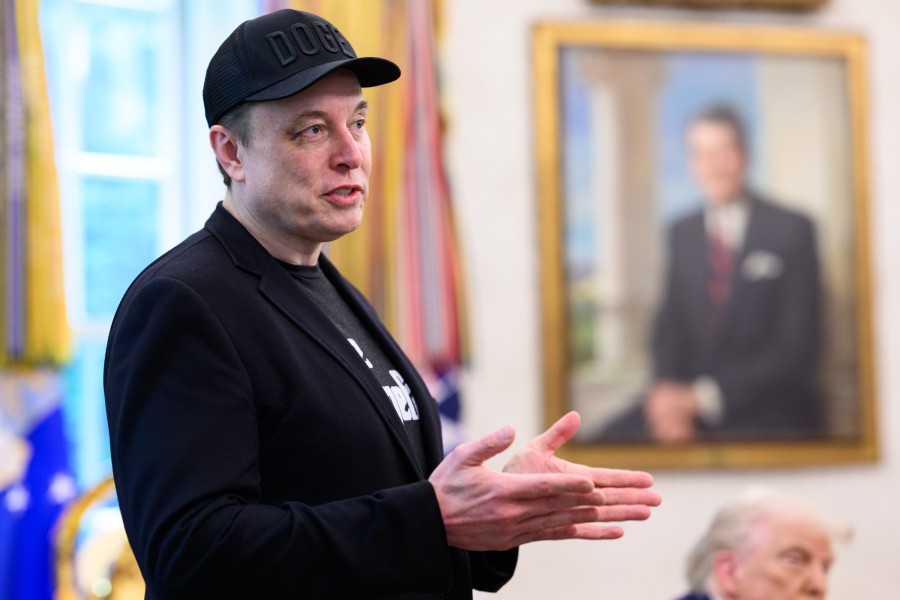
Elon Musk’s net worth has recently dipped below the remarkable $1 trillion threshold due to a decrease in the stock values of Tesla and SpaceX. Despite this decline, he continues to hold the title of the world’s wealthiest individual. Musk initially crossed the trillionaire mark following a significant boost in SpaceX’s valuation after its impressive stock market debut, which substantially increased the value of his shares. The bulk of his wealth remains closely tied to the performance of his business interests.
The broader technology market has experienced a downturn, affecting major corporations, particularly those involved in the artificial intelligence sector. This decline has been driven by concerns over rising interest rates, market volatility, and apprehensions regarding a potential slowdown in AI investments. These factors have collectively contributed to a reduction in share prices across the board.
Musk’s financial standing is heavily influenced by the market values of his company stocks and equity. Consequently, any fluctuations in these markets rapidly impact his estimated wealth. If Tesla or SpaceX shares recover in the future, it is conceivable that Musk’s net worth could once again surpass the trillion-dollar milestone.
Despite the current dip in his fortune, Musk remains significantly ahead of other billionaires. His wealth continues to be propelled by the performance and growth potential of his companies. The recent changes in his net worth highlight the direct connection between his financial status and the market dynamics surrounding his business ventures.