
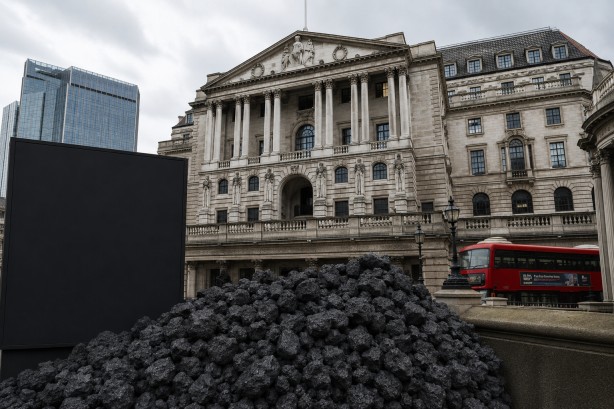
In a decisive move to address climate-related financial risks, the Bank of England will exclude bonds associated with thermal coal companies from being used as collateral in its lending operations starting in October. This new policy targets bonds tied to the fossil fuel primarily used in electricity generation. The central bank’s decision highlights its commitment to mitigating the financial vulnerabilities posed by the transition to cleaner energy sources and the global push towards net-zero emissions.
Typically, commercial banks, including major financial institutions, rely on bonds as collateral when borrowing from the central bank to manage daily operations and facilitate transactions. However, with this policy change, bonds linked to thermal coal will no longer qualify for such purposes. The Bank of England emphasized that the shift towards renewable energy increases the financial risks for companies involved in thermal coal, which could lead to a devaluation of coal-related assets over time.
Additionally, the policy empowers the Bank of England to implement discounts on bonds from other sectors that are susceptible to climate risks. This measure is designed to safeguard the bank’s balance sheet against potential financial losses. By taking these steps, the central bank aims to send a clear message to financial markets about the growing importance of factoring in environmental sustainability and climate risks.
Environmental advocates have praised the bank’s decision, viewing it as a powerful signal for financial markets. They believe it could prompt commercial banks to reconsider their investments in industries that are major polluters. Currently, over 150 leading financial institutions globally have already imposed some form of restriction on businesses associated with the thermal coal sector.
However, analysts caution that the policy’s success will hinge on the methods used to assess climate risks and whether similar restrictions will be extended to other environmentally detrimental sectors in the future. The effectiveness of these measures will be closely watched by both financial and environmental stakeholders as they evaluate the broader impact on the industry and the environment.