
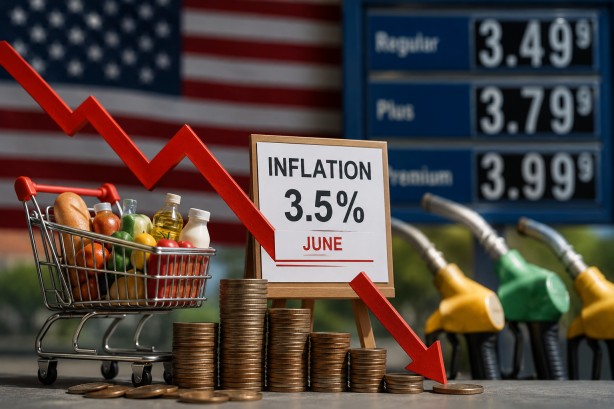
Inflation in the United States eased to an annual rate of 3.5% in June, largely attributed to a temporary drop in energy prices that helped lower overall consumer expenses. The latest Consumer Price Index (CPI) data revealed this reduction follows months of elevated inflation levels, with prices dropping 0.8% from May. The decline in gasoline and fuel costs played a significant role in this monthly decrease, counterbalancing price hikes in sectors such as food, housing, and utilities.
Core inflation, which strips out the unpredictable food and energy sectors and is a key focus for the Federal Reserve, decreased to 2.6% year-over-year. Despite the recent dip in inflation, there are concerns that this trend may not last. Rising tensions in the Middle East have already driven global oil prices upward, which in turn, is leading to higher fuel expenses for consumers and increased operational costs for industries like aviation and transportation.
The Federal Reserve is expected to evaluate this latest inflation data in conjunction with labor market conditions during its forthcoming policy meeting later this month. Although inflation has shown signs of moderation, it remains above the central bank’s long-term goal of 2%, creating uncertainty regarding the potential timing of any future changes to interest rates.
As the situation unfolds, the Fed will need to carefully consider these inflation trends alongside other economic indicators to determine their next steps. The impact of fluctuating oil prices and geopolitical tensions may challenge the sustainability of the recent decline in inflation, influencing both consumer costs and broader economic stability.